6 Ways Routine Boiler Maintenance Service Helps You Avoid Expensive Downtime
Commercial heating systems are the backbone of any facility that depends on consistent warmth to keep operations running, employees comfortable, and equipment functioning through the brutal winters that define the northern plains region. When a boiler fails unexpectedly, the disruption it creates goes far beyond discomfort — it can halt production, trigger safety concerns, and generate repair bills that dwarf the cost of any preventive maintenance program the facility might have implemented. The relationship between routine professional care and system reliability is not theoretical; it is well-documented in the real-world experience of every facility manager who has lived through a preventable system failure during peak demand. Understanding exactly how scheduled professional maintenance helps you avoid expensive downtime gives facility owners and operators a compelling case for making it a non-negotiable part of their annual operational plan.
1. Catching Developing Problems Before They Cause a Shutdown
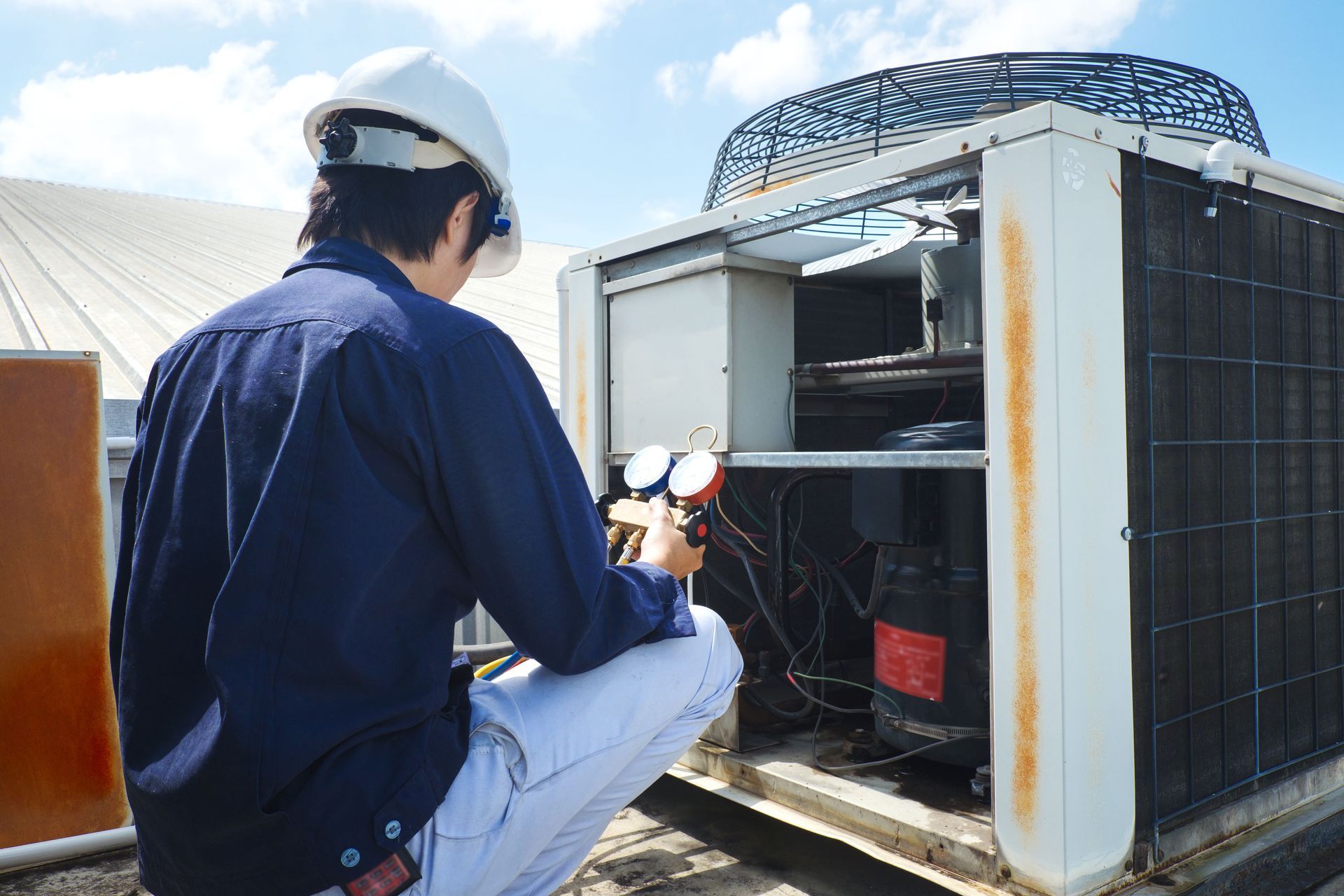
According to Today's Homeowner, a high-efficiency boiler can reduce heating bills by 15 to 30% compared to older models, which gives facility operators a powerful financial incentive to keep their systems operating at the efficiency levels those high-performance units were designed to deliver from day one. A scheduled boiler maintenance service allows trained technicians to inspect every major component for signs of wear, corrosion, and developing faults that would not trigger an alarm until they had already progressed to the point of causing a failure. Small problems caught early — a developing seal leak, a beginning scale buildup on heat transfer surfaces, or a slightly misaligned burner assembly — cost a fraction of what they would as emergency repairs performed under pressure with the system already offline. Catching these issues during a planned maintenance visit is the single most effective strategy available for keeping a commercial heating system running continuously through the season when it is needed most.
2. Maintaining the Combustion Efficiency That Controls Operating Costs
A boiler that is operating with a poorly tuned burner, accumulated scale on heat transfer surfaces, or incorrect air-to-fuel ratios consumes significantly more fuel than it needs to produce the same heat output, which drives up operating costs month after month without any visible symptom that would alert the facility manager to the developing inefficiency. A professional boiler maintenance service includes combustion analysis, burner adjustment, and heat exchanger inspection that restore the system to the efficiency parameters its manufacturer designed it to achieve under properly maintained operating conditions. The cost of the fuel wasted by an unmaintained commercial boiler over a single heating season in North Dakota can easily exceed the cost of a comprehensive annual maintenance program several times over when the numbers are calculated across a full winter of continuous operation. Restoring combustion efficiency through professional maintenance is one of the highest-return investments a facility operator can make in the ongoing economics of commercial heating system ownership.
3. Extending the Operational Life of Expensive Capital Equipment
Commercial boilers represent a significant capital investment, and the decisions made about their ongoing care directly determine how many years of reliable service the facility receives before a full replacement becomes unavoidable due to the accumulated effects of deferred maintenance and uncorrected operational stress. A boiler maintenance service that addresses lubrication, seal integrity, heat exchanger condition, and control system calibration consistently extends the operating life of commercial heating equipment well beyond what the same equipment achieves when it is run without structured professional care between failures. Every year of additional useful life that professional maintenance extracts from a commercial boiler represents deferred replacement cost that the facility can redirect toward other operational priorities, which is a compelling financial argument that facility managers and finance teams both readily understand and appreciate. Working with a commercial heating contractor since 1971 means the service team brings genuine multi-decade expertise to every maintenance visit, recognizing the wear patterns and failure modes that predict expensive breakdowns before they occur.
4. Verifying That Safety Controls Are Functioning Correctly
Commercial boilers operate under pressure and at temperatures that make properly functioning safety controls not a convenience feature but an absolute operational and regulatory necessity that must be verified at regular intervals to ensure the system cannot operate in a condition that creates risk for the facility and everyone in it. A professional boiler maintenance service includes testing of pressure relief valves, low-water cutoffs, high-temperature limit controls, and combustion safety systems to confirm that each of these critical components activates correctly when the conditions that should trigger them are present during controlled testing by the maintenance technician. Safety controls that appear functional during normal operation can fail to respond correctly when actually needed if they have not been tested and verified regularly by a qualified technician who knows what correct activation looks and feels like under the right test conditions for each specific component. Verifying safety control function during every maintenance visit protects the facility from the catastrophic consequences that can result when a single safety component fails to perform its intended function at the critical moment it is needed.
5. Keeping Water Treatment and Chemistry in Proper Balance
The water circulating through a commercial boiler system carries dissolved minerals, oxygen, and other compounds that gradually deposit scale, accelerate corrosion, and degrade internal surfaces in ways that reduce heat transfer efficiency and shorten the operational life of every metal component in the system over time. A boiler maintenance service that includes water treatment evaluation and chemical balance assessment gives the maintenance team the information they need to adjust treatment programs before scale and corrosion have advanced to the point where they require expensive mechanical cleaning or component replacement to correct. Proper water chemistry management is one of the most cost-effective forms of boiler protection available because the chemicals required to maintain a correct balance are dramatically less expensive than the metal components that improper chemistry destroys over months and years of continuous operation without correction. Facilities that include water treatment as a standard component of their boiler maintenance program consistently report longer service life and fewer heat exchanger replacements than those that treat water chemistry as an afterthought, addressed only when problems become visible.
6. Optimizing System Controls for Consistent Performance
Modern commercial heating systems rely on sophisticated control systems that manage firing rates, circulation, modulation, and safety interlocks in ways that maximize both performance and efficiency when every component is correctly calibrated and communicating as the system designer intended it to operate under normal conditions. A professional boiler maintenance service includes a thorough evaluation and calibration of the control system to verify that temperature setpoints, pressure parameters, and sequencing logic are all configured correctly for the facility's current occupancy patterns, heating load, and seasonal requirements. Control systems that drift out of calibration over time cause the boiler to operate in cycles that are longer or shorter than optimal, creating mechanical stress on ignition components, increasing fuel consumption, and producing temperature variations throughout the facility that simultaneously affect occupant comfort and process reliability. Keeping controls properly calibrated through scheduled maintenance is one of the simplest and highest-value interventions available in any comprehensive commercial heating system care program.
Routine boiler maintenance is not a discretionary expense that facility operators can defer when budgets are under pressure — it is the foundation of a commercial heating strategy that minimizes downtime, controls operating costs, extends equipment life, and keeps the facility safe and productive through every month of North Dakota's demanding heating season. From catching developing faults early and maintaining combustion efficiency to verifying safety controls and supporting informed capital planning, each benefit of a structured maintenance program compounds into a total value that far exceeds the investment required to deliver it consistently year after year. Northwest Iron Fireman Inc has proudly served commercial facilities throughout North Dakota, Northwest Minnesota, Northern South Dakota, Eastern Montana, and surrounding areas since 1971, offering commercial heating system sales, commercial heating system service, boiler maintenance service, and equipment sourcing through top manufacturers including Burnham Commercial, all backed by over 50 years of experience, free estimates, manufacturer warranties available, emergency services available, and licensing in both Fargo and West Fargo. For more information, contact us today!
Share On: